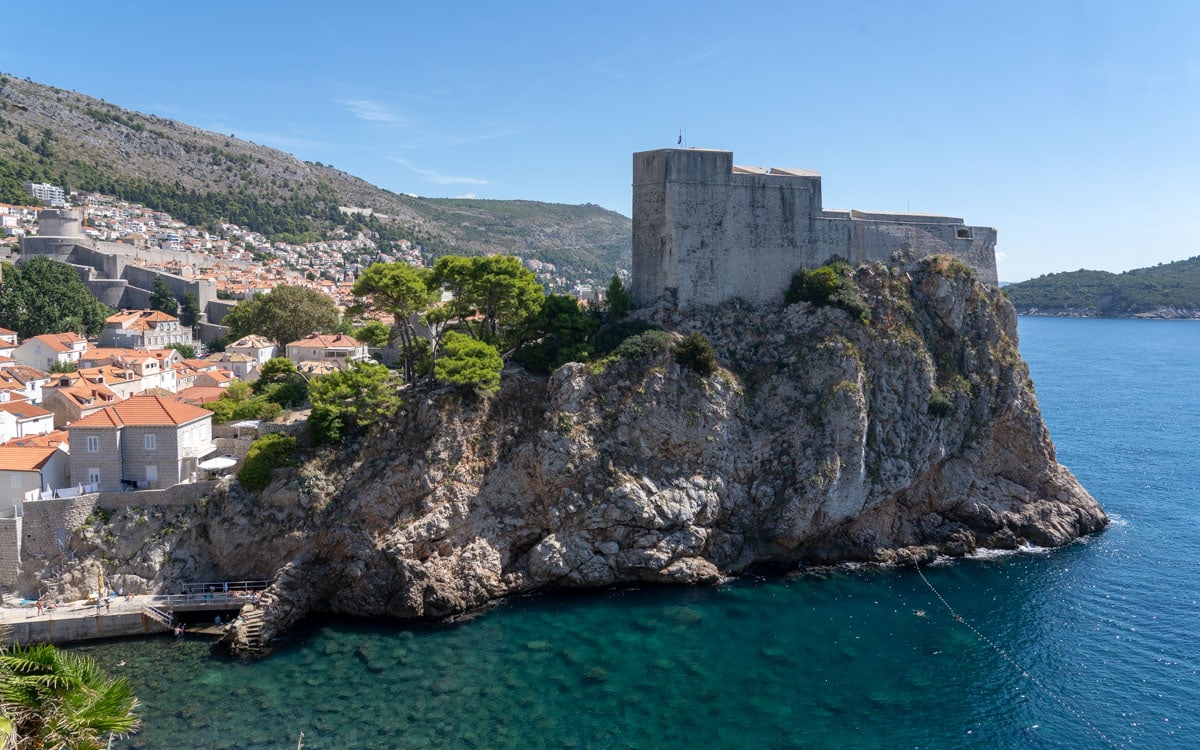
Fort Lovrijenac, also known as St. Lawrence Fortress, is a historic stronghold located just outside the western walls of Dubrovnik, Croatia. The imposing fortress rises 37 meters (121 feet) above sea level, overlooking the Adriatic Sea and Kolorina Bay.
For centuries, the fortress protected maritime trade routes, enabled soldiers to monitor both land and sea for enemies, and served as a symbol of Dubrovnik’s independence and power.
Even after the fall of the Republic of Ragusa, Fort Lovrijenac continued to serve as a barracks and prison, eventually becoming one of the most important historical sites in Croatia. Today, the fort hosts various events and festivals, and it also serves as a filming location for Game of Thrones.

The site where the fort now stands once held a small church and chapel dedicated to Saint Lawrence. That is why the fortress is also known as St. Lawrence Fortress. The chapel was later incorporated into the ramparts when the fortress was built.
Although the first records mention the fort in 1301, historians believe its construction took place much earlier, likely in the early 11th century. The citizens of the Republic of Ragusa, modern-day Dubrovnik, are believed to have built the fort in three months. The purpose of the fort was to defend the city from an imminent Venetian invasion.
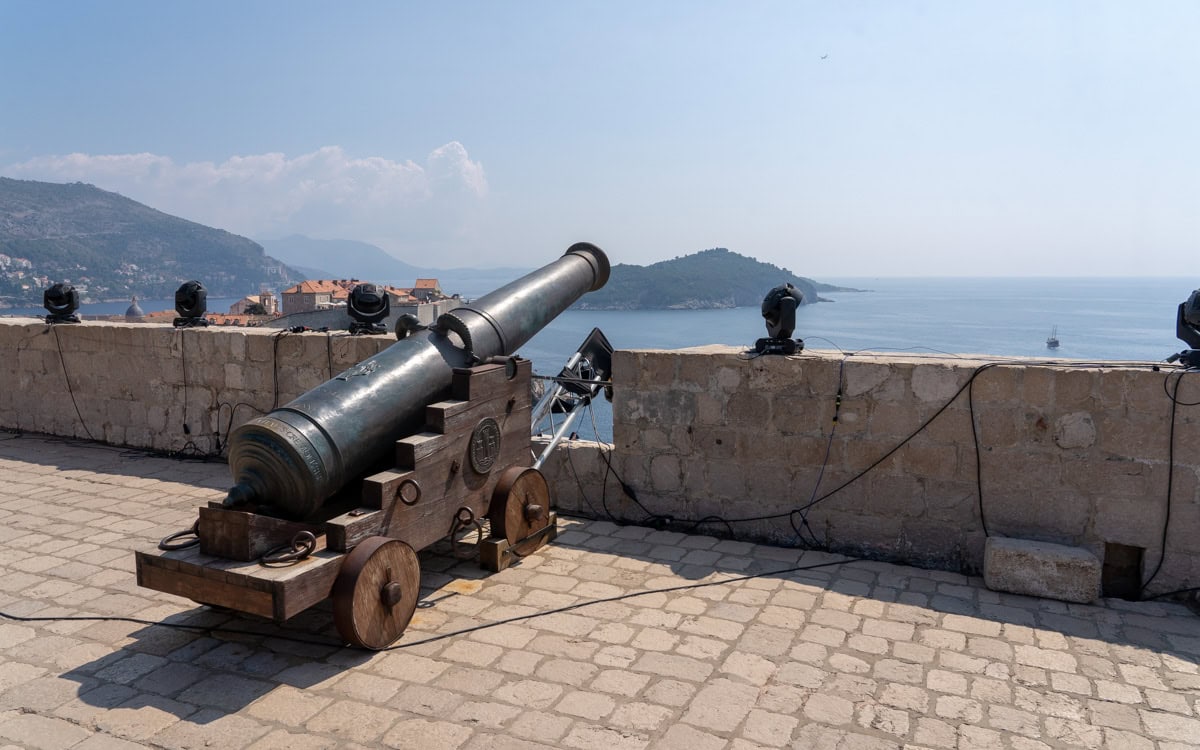
When built, the triangular fortress featured three stepped terraces facing the south, a drawbridge, cannons, and thick seaside walls to protect itself from attacks. Engineers added reinforcements in the 15th and 16th centuries. Following the 1667 earthquake, much of the fortress underwent extensive repairs.
In the years following the fall of the Republic of Ragusa, the Austrians, who controlled the city, converted the fort into barracks, paved over the drawbridge, and replaced cannon embrasures with larger windows. During World War II, the fort was used as a prison.
Fort Lovrijenac became a significant cultural landmark by 1950. Although it sustained damage during the Siege of Dubrovnik (1991–1992), the fort was repaired and reopened. Today, Fort Lovrijenac remains one of the most historic and impressive sites in Croatia, attracting over one million visitors annually. And no visit to Dubrovnik is complete without a visit to the fort.
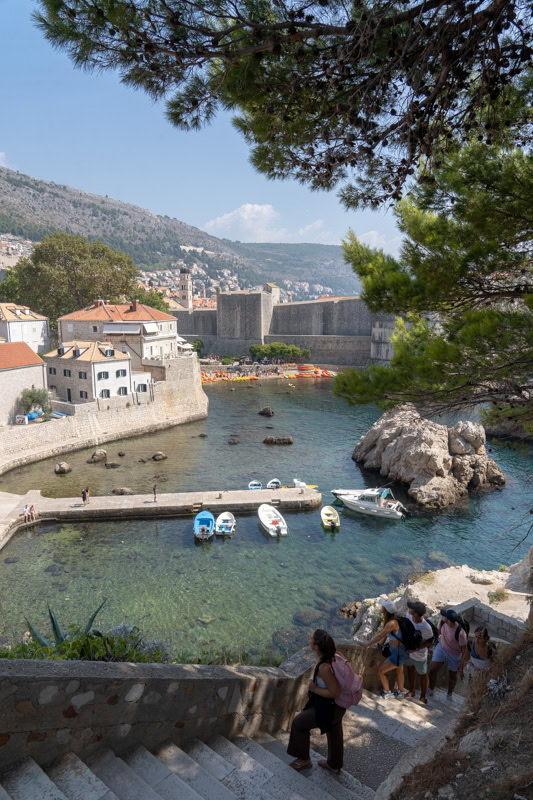

If you want to visit, you will need to climb over 200 stairs to reach the fort, but the effort is well worth it for the views.

If you’re looking for nice views or a place to relax, there’s a small park about halfway up the stairs. The shaded terrace is free and makes a great spot to relax and take in the views if you don’t want to enter the fort. At the park, you will find benches and rocky outcrops to sit on.

Once inside the fortress, you’ll be able to visit three terraces. As you explore, you’ll feel as though you’ve stepped back in time. You will walk by stone passageways, arched corridors, courtyards, and large windows with views of the surrounding area. Each view is never the same.

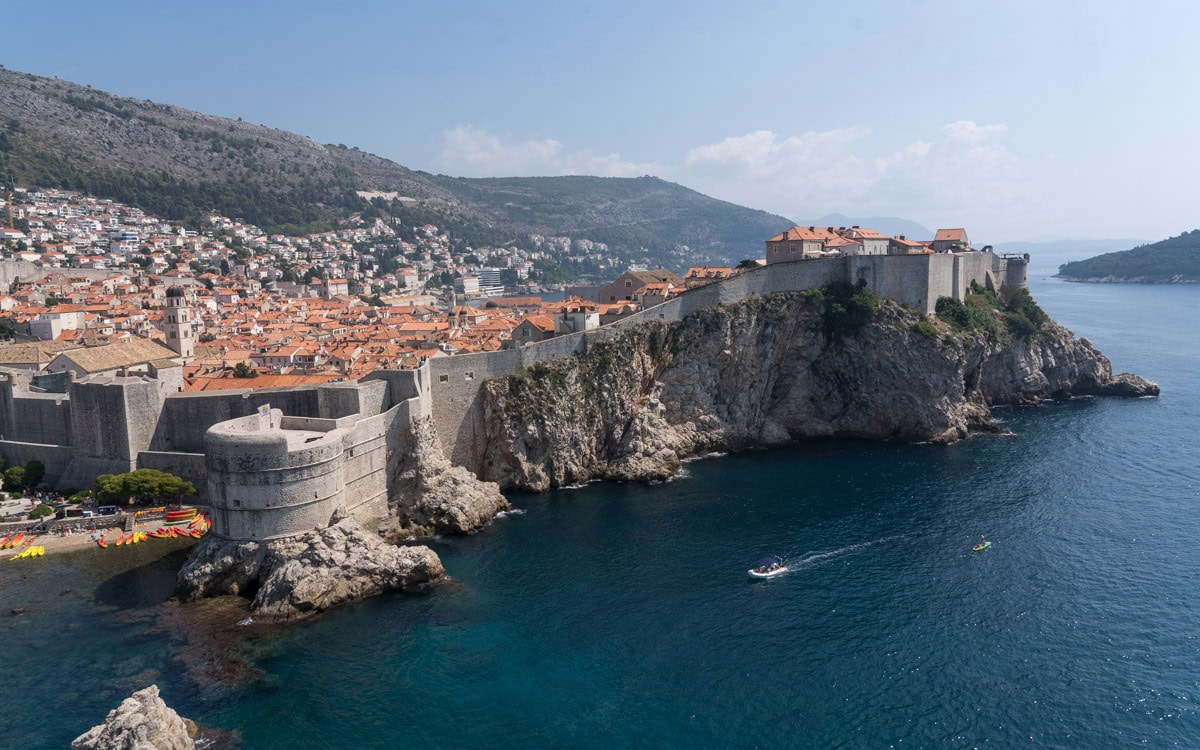
For the best view, head to the upper terrace. The panoramic views of the Old Town, the Adriatic Sea, Lokrum Island, and the distant mountains from the upper terrace are truly breathtaking. It is also here where you will be able to view large cannons used to defend the city.
Fort Lovrijenac also hosts a range of events, including the Dubrovnik Summer Festival (10 July to 25 August) and the Midsummer Scene (June to July). During these open-air festivals, performances occur throughout the city. At the fort, the cliffside terraces turn into an open-air stage.
One of the highlights of the Dubrovnik Summer Festival is the performance of Shakespeare’s Hamlet, first mounted on the fort’s terraces by Croatian theatre director Marko Fotez in 1952.

Those who visit Fort Lovrijenac might recognize it as the Red Keep, the royal castle of King’s Landing in *Game of Thrones*. Overlooking Blackwater Bay, the castle was the primary residence of the Seven Kingdoms.
Fort Lovrijenac made appearances in multiple episodes and seasons of the show. One of the most memorable scenes in Season 2, Episode 1 (“The North Remembers”), where the terraces and courtyards hosted King Joffrey’s name-day tournament.
Fort Lovrijenac Information
Hours
Monday - Sunday: 8:00 AM - 7:30 PM
Map
Nearby Sights
Šulić Beach

Šulić Beach is a small, secluded beach located between Gradac Park and Fort Lovrijenac to the west of Old Town Dubrovnik. Because it lies within Kolorina Bay, it is also known as Kolorina Beach. Though located only a few minutes on foot from Pile Gate, the beach of pebbles and concrete feels hidden from most of the tourists in Old Town.
Gradac Park
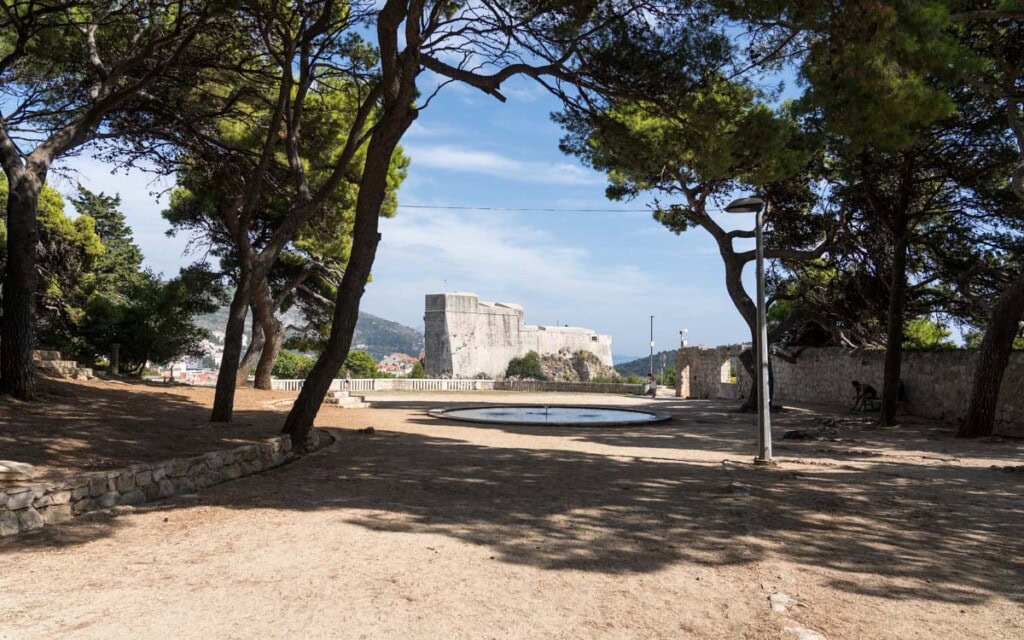
Gradac Park is an expansive green space perched high above the Adriatic Sea, just outside Dubrovnik's Old Town. Despite its location, the park feels like a hidden gem. If you're looking for a place to escape the heat and crowds of the city, Gradac Park is a great choice. Established in 1898, Gradac Park is one of the oldest and most famous parks in Dubrovnik.
Large Onofrio's Fountain

The Large Onofrio's Fountain, on Stradun near Pile Gate, is a historic circular fountain and one of Dubrovnik's most famous landmarks. For centuries, the ornate fountain has supplied water to the citizens of Dubrovnik and remains a testament to the city's architectural and engineering skills. Italian architect Onofrio della Cava designed and built the fountain between 1438 and 1440.
Danče Beach
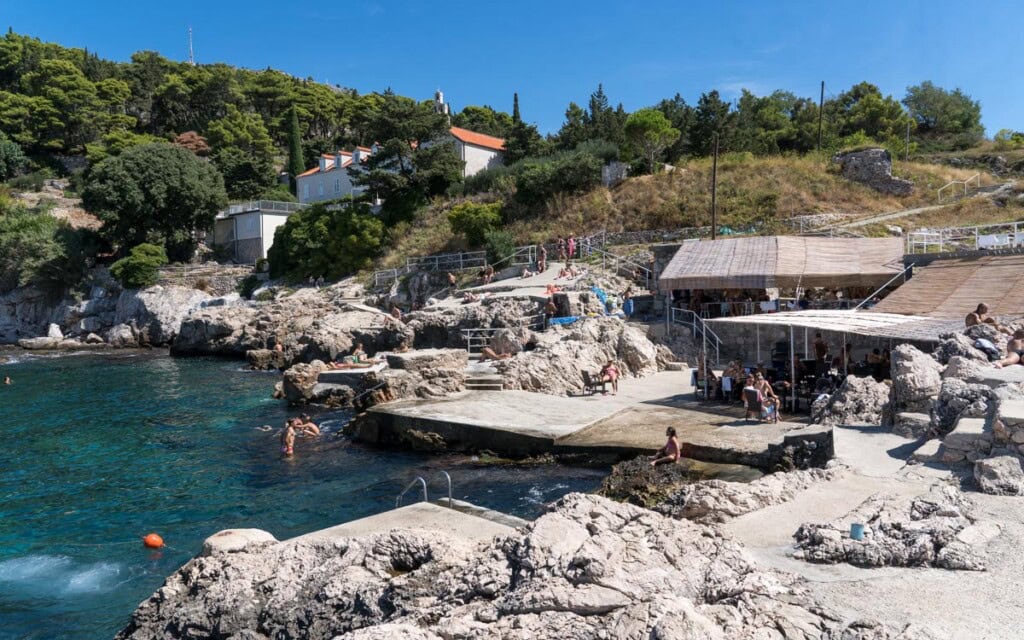
Danče Beach, Dubrovnik's oldest public swimming spot, is situated on a rocky outcrop below Gradac Park, a short distance from the Old Town. The beach is popular with locals and in-the-know tourists for its swimming, sunbathing, water polo, and sunsets. Long before the arrival of mass tourism, Danče Beach, pronounced "dan che," was a favorite among locals.